
How Do You Take Care of a Palm Tree After Initial Planting?
How Do You Take Care of a Palm Tree for Maximum Growth?
Bringing a tropical aesthetic to your property starts with understanding one vital question: how do you take care of a palm tree correctly? These iconic plants require specific attention to soil moisture, light exposure, and nutrient balance to thrive in non-native environments. Without the right approach, palms can quickly lose their luster, turning yellow or brittle under improper conditions.
Ensure your heavy palm planters reach their perfect sunny spot safely by dialing 224-404-0069 for expert specialized moving assistance today.
Proper hydration is the cornerstone of palm health, especially during the first few months after relocation or planting. While many people assume all palms love endless water, the reality involves maintaining a delicate balance where the roots remain moist but never waterlogged. Monitoring the soil depth ensures that your investment continues to grow strong and healthy.
Understanding Soil Requirements
When considering how do you take care of a palm tree, the foundation always begins with the soil quality. Palms generally prefer well-draining soil that prevents water from pooling around the root ball, which can lead to rot. Using a specific sandy mix or a specialized potting blend allows for the aeration necessary for roots to breathe.
If your native soil is heavy clay, you must amend it before planting to ensure long-term success. Adding organic matter or sand can improve the structure and drainage significantly. This preparation stage is vital because once the tree is in the ground, changing the soil composition becomes much more difficult for the average gardener.
Light and Temperature Sensitivities
Light is another critical factor in how do you take care of a palm tree effectively. Most species enjoy bright, indirect light, though some varieties are specifically adapted for full sun exposure. It is essential to research your specific variety to avoid leaf scorch, which occurs when a shade-loving palm is placed in direct afternoon heat.
Temperature fluctuations can also impact the health of your tropical plants. Many palms are sensitive to frost and require protection during the colder months of the year. Using burlap wraps or moving portable containers indoors can save your palms from freezing. Consistently monitoring the local weather forecast helps you stay ahead of sudden cold snaps.
Watering Techniques for Tropical Success
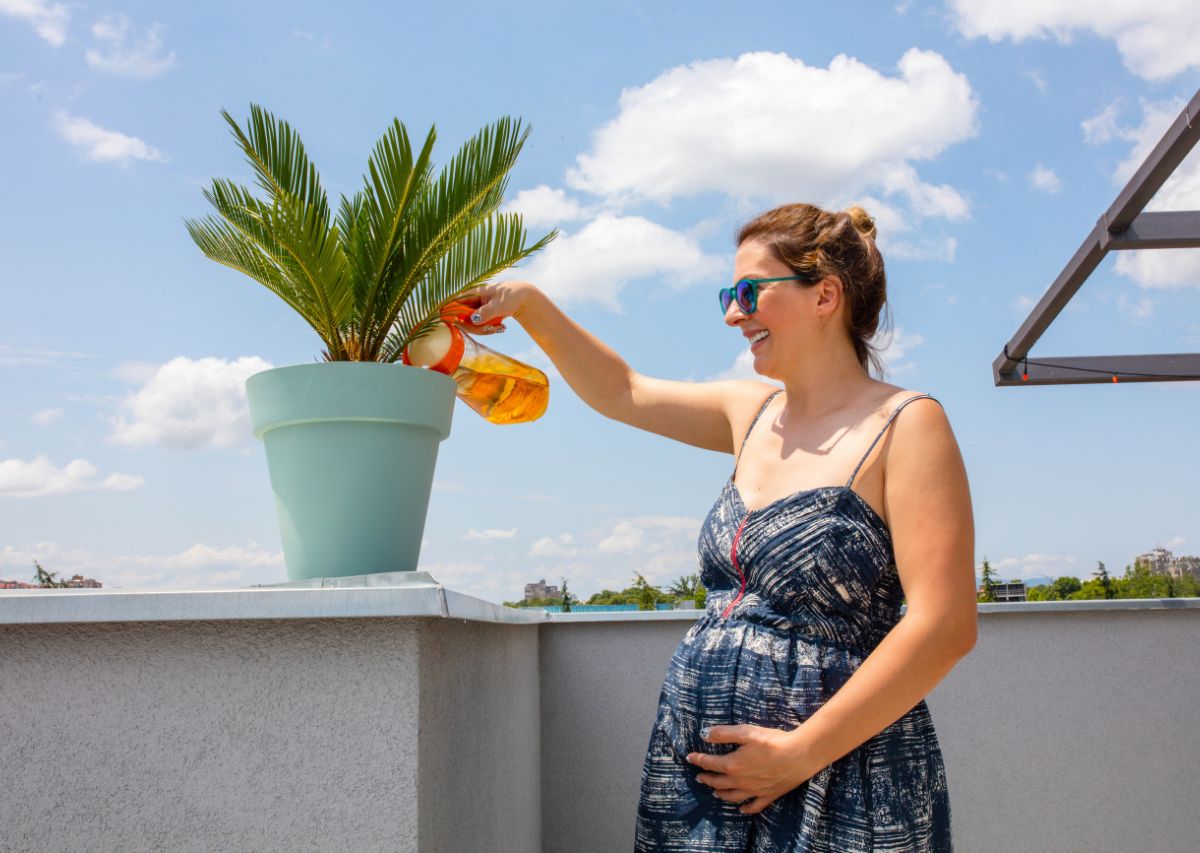
Developing a consistent watering schedule is a major part of how do you take care of a palm tree. During the growing season, palms typically need more frequent watering to support new frond development. You should check the top two inches of soil; if it feels dry to the touch, it is time to provide a deep soak.
Overwatering is just as dangerous as understatement because it promotes fungal growth and root decay. Ensure that your pots have adequate drainage holes to allow excess moisture to escape freely. In outdoor settings, using mulch can help retain the necessary moisture while regulating the temperature of the root system throughout the summer.
Essential Nutrients and Fertilization
Nutrient deficiency often shows up as yellowing or spotting on the fronds of your palm. When people ask how do you take care of a palm tree, they often overlook the need for specific minerals like magnesium and potassium. Using a slow-release fertilizer designed for palms ensures a steady supply of these essential elements over several months.
Apply fertilizer at the base of the tree rather than directly against the trunk to avoid chemical burns. Typically, fertilizing three times a year during the active growing season provides enough support for robust health. Avoid over-fertilizing, as an excess of salts in the soil can damage the sensitive roots of the palm.
Pruning and Maintenance Standards
Pruning is a task that requires a "less is more" philosophy. If you want to know how do you take care of a palm tree, remember that green fronds should never be removed. The tree draws nutrients from the older fronds until they turn completely brown and die off naturally as part of the cycle.
Only trim away the fully dead, brown fronds to maintain a clean appearance and prevent pests from nesting. Using sterilized tools is important to avoid spreading infections between different plants in your garden. Regular inspections for pests like spider mites or scale will also help keep your palm looking its absolute best throughout the entire year.
Handling Pests and Common Diseases
Keeping an eye out for pests is a fundamental aspect of how do you take care of a palm tree. Some insects can hide in the crevices of the trunk or under the large leaves, slowly draining the plant of its vitality. Early detection allows for organic treatments that protect the plant without using harsh environmental chemicals.
Fungal diseases can also manifest if the humidity is too high or if air circulation is poor around the foliage. Proper spacing between plants and careful watering at the base of the trunk can mitigate these risks. Maintaining a clean environment around the base of the palm reduces the likelihood of disease-carrying organisms taking hold.
The Importance of Proper Potting
For those growing palms in containers, the size and material of the pot play a role in how do you take care of a palm tree. A pot that is too small will restrict root growth and lead to a stunted plant. Conversely, a pot that is too large may hold too much water.
Choosing a heavy-duty container is also beneficial for stability, as palms can become top-heavy as they grow taller. Ensure the container has several drainage holes and consider using a saucer to catch excess water if kept indoors. Repotting every few years gives the palm fresh nutrients and room to expand its growing root system.
Seasonal Care and Winterization
As the seasons change, your approach to how do you take care of a palm tree must also evolve. In the autumn, you should gradually reduce the frequency of watering as the plant enters a period of slower growth. This allows the palm to harden off and prepare for the lower light levels of winter.
Indoor palms may suffer from the dry air produced by home heating systems during the winter. Using a humidifier or misting the leaves can help maintain the moisture levels these tropical plants crave. Keeping them away from drafty windows or heating vents will prevent sudden temperature shocks that could lead to significant leaf drop or browning.
Growth Rates and Expectations
Understanding the natural growth rate of your specific species helps you manage expectations for how do you take care of a palm tree. Some varieties grow several feet per year, while others may only put out a few new fronds in the same timeframe. Patience is a virtue when cultivating a tropical landscape from smaller specimens.
Maintaining consistent care is the only way to ensure the plant reaches its full potential over the decades. A well-cared-for palm can live for many years, becoming a central feature of your home or garden. By following these guidelines, you provide the best possible environment for your palm to flourish and remain a vibrant green.
Moving and Relocating Large Palms
Sometimes, the best way to answer how do you take care of a palm tree involves moving it to a better location. Whether you are moving to a new home or simply rearranging your landscape design, the process requires physical strength and careful planning. Heavy palms can be easily damaged if they are not handled with the proper equipment.
Using professional help for the lifting and loading of large palm containers prevents injury and protects the integrity of the plant. A sudden drop or rough handling can crack the root ball or break delicate fronds that took years to grow. Specialized transport ensures that your palm arrives at its new destination in perfect condition for replanting.
Selecting the Right Species for Your Zone
A major part of how do you take care of a palm tree is choosing a variety that fits your local climate. Some palms are incredibly hardy and can survive temperatures well below freezing, while others are strictly tropical. Check your local hardiness zone before making a purchase to ensure the tree can survive outside.
Consulting with a local nursery can provide insights into which species are most successful in your specific area. If you live in a colder region, focus on palms that do well in containers so they can be brought inside during the winter. This strategic planning saves time and money by preventing the loss of sensitive tropical plants to cold.
Troubleshooting Common Issues
If you notice your palm is struggling, revisit the basics of how do you take care of a palm tree. Check the soil moisture first, as this is the most common cause of stress. If the soil is fine, look at the light levels and check for any signs of pest infestation or nutrient lack.
Sometimes, a palm just needs a little bit of time to adjust to a new environment after being moved. Avoid making drastic changes all at once, as this can further stress the plant. Small, incremental adjustments to your care routine are usually the most effective way to bring a struggling palm back to a healthy and vibrant state.
Secure Professional Transport for Your Heavy Garden Palms
Lift and Load built a reputation on years of dedicated service moving heavy and delicate items for local residents. Our team expertly handles oversized planters, heavy garden equipment, and valuable landscaping features with precision. We use specialized techniques to ensure nothing is damaged during transit. Let us lift the heavy burdens while you focus on your garden.
Contact: piotr@liftandloadmoving.com | 224-404-0069







FAQs
You should check the soil moisture every few days during the hot summer months. Most palms require a deep soak once the top two inches of soil feel dry. This consistency prevents the roots from drying out while ensuring the plant has enough hydration to maintain its lush green appearance all year.
A slow release fertilizer specifically formulated for palms is the best choice for gardeners. These products contain the magnesium and potassium that palms need to prevent yellowing fronds. Apply the granules to the soil surface three times a year to provide a steady supply of nutrients for the tree.
You should never trim green fronds from your palm because the tree still uses them for energy. Removing green leaves can stress the plant and reduce its ability to grow. Only prune the fronds that have turned completely brown and dead to keep the tree looking tidy without harming its overall health.
Brown tips often indicate that the air is too dry or the plant is not getting enough water. If the palm is indoors you might need to mist the leaves or use a humidifier to increase the local moisture. Ensure you are watering deeply enough to reach the bottom of the root system during every session.
Brown tips often indicate that the air is too dry or the plant is not getting enough water. If the palm is indoors you might need to mist the leaves or use a humidifier to increase the local moisture. Ensure you are watering deeply enough to reach the bottom of the root system during every session.
Still have questions?

How to move with us?
Hit the “Get a Quote” button and tell us what you need.
Choose the service, date, and time that work best for you.
Our friendly team shows up on time and gets everything done safely.
Sit back while we take care of the rest.
.avif)