
How to Get Your Security Deposit Back After Your Lease Ends
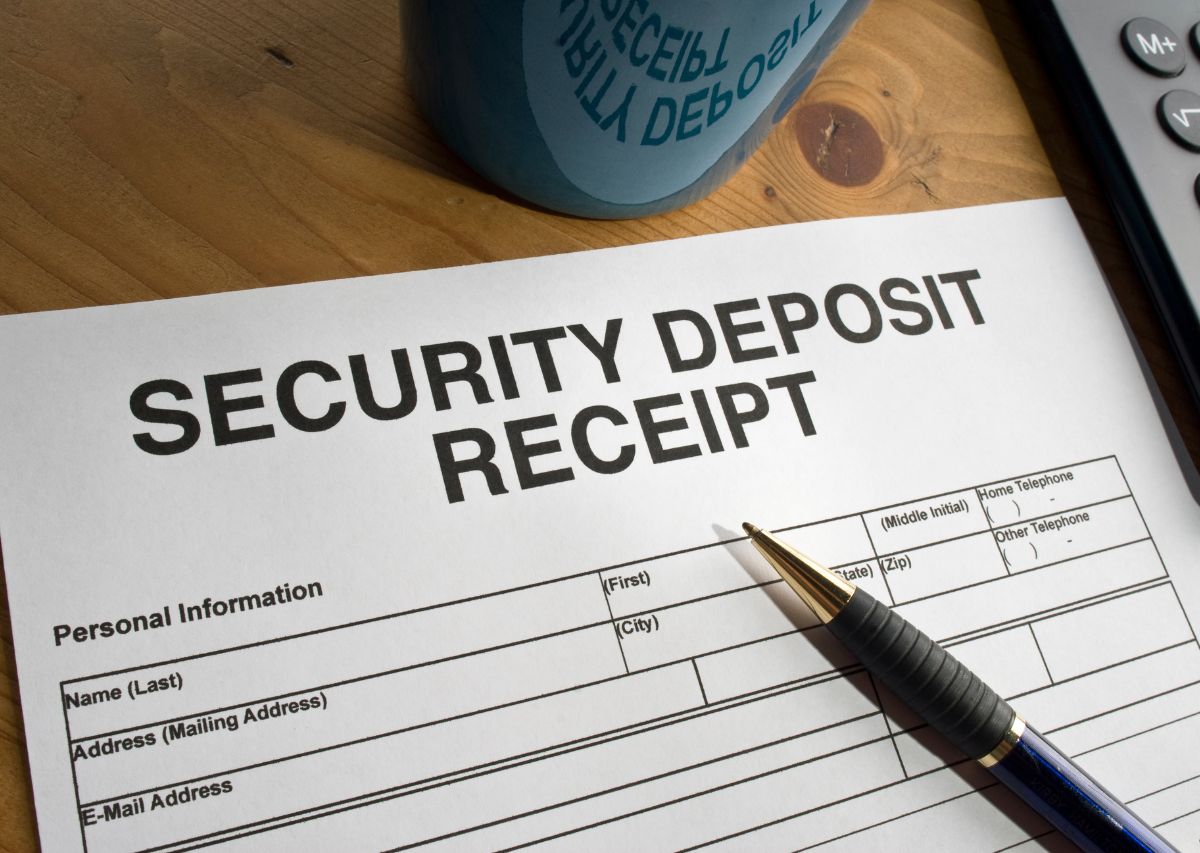
Moving out of a rental property is often an exhausting experience, but understanding how to get your security deposit back should be your top priority. This financial safety net often amounts to a significant sum, sometimes exceeding a month of rent, making its return essential for your next housing transition. Success requires a combination of careful planning, thorough cleaning, and a clear understanding of your legal rights as a tenant.
Protect your walls and floors during the big move-out to safeguard your funds by calling 224-404-0069 for professional heavy lifting help.
The process begins long before you hand over the keys, starting with a meticulous review of your original lease agreement. Every landlord has different expectations regarding the condition of the unit, and knowing these specific requirements is the first step in learning how to get your security deposit back without unnecessary disputes. Documentation and communication will serve as your best allies during this high-stakes period.
Reviewing Your Lease Agreement
To effectively learn how to get your security deposit back, you must first understand the contractual obligations you signed at the beginning of your residency. Most leases define "normal wear and tear" versus "damage," which is the critical distinction that determines if you lose money. Pay close attention to clauses regarding professional carpet cleaning or specific paint colors.
Many tenants overlook small details like light bulb replacement or window screen integrity, which can lead to small but cumulative deductions. By identifying these requirements early, you can address them personally rather than paying the landlord's inflated maintenance rates. This proactive reading sets the stage for a successful walk-through and a much smoother departure from the property.
Documenting the Condition of the Property
A major factor in how to get your security deposit back is the evidence you collect during your move-out process. You should take high-resolution photographs and videos of every room, focusing on floors, walls, and inside appliances. This visual record serves as undeniable proof that you left the unit in excellent condition, protecting you against false claims.
It is equally important to compare these new photos with the ones taken when you first moved into the apartment. If you have a move-in checklist, keep it handy to show that certain scuffs or marks were pre-existing. Having a well-organized folder of digital evidence makes it much harder for a property manager to justify keeping your hard-earned cash.
Deep Cleaning Your Rental Unit
When people ask how to get your security deposit back, the answer almost always involves a significant amount of deep cleaning. Landlords expect the unit to be "broom clean" at a minimum, but going above and beyond can prevent cleaning fee deductions. Focus on often-neglected areas like the tops of ceiling fans, baseboards, and behind the refrigerator.
Appliances should be spotless, including the oven interior and the microwave. If you have pets, ensure that all odors and hair are completely removed from the carpets and vents. A clean apartment gives the impression that the tenant was responsible and cared for the space, which subconsciously encourages the landlord to process the refund quickly.
Handling Minor Repairs Yourself
Taking the initiative to fix small issues is a vital part of how to get your security deposit back. Small holes in the walls from hanging pictures should be patched with spackle and sanded until smooth. If you painted any rooms a custom color, you must return them to the original neutral shade as specified in your rental contract.
Check all the plumbing fixtures for leaks and ensure that every light fixture has a working bulb of the correct wattage. Replacing a five-dollar plastic outlet cover or a shower curtain rod is much cheaper than having the landlord hire a contractor to do it. These small investments of time and money can save hundreds in potential security deposit deductions.
The Importance of the Final Walk-Through
Scheduling a final walk-through with your landlord is a strategic move in your quest for how to get your security deposit back. This meeting allows you to walk through the property together and identify any potential issues before you officially vacate. If the landlord points something out, you may have time to fix it yourself immediately.
- Always bring a copy of your move-in checklist to the meeting for quick reference.
- Ask the landlord specifically if they see anything that would cause a deduction.
- Request a signed statement during the walk-through confirming the general condition of the home.
- Ensure all keys, fobs, and garage door openers are handed over during this session.
Managing the Logistics of Heavy Moving
The physical act of moving can actually jeopardize your chances of how to get your security deposit back if you are not careful. Dragging heavy furniture across hardwood floors or banging boxes into drywall can create new damage at the very last minute. It is essential to use proper equipment like furniture sliders, floor runners, and padded blankets.
If you are dealing with a particularly heavy or awkward item, hiring professional help to lift and load your belongings can be a wise financial decision. Professionals have the experience to navigate tight corners without scuffing the paint or denting the door frames. This prevents the "last-minute damage" that often results in significant and frustrating security deposit losses.
Providing Your Forwarding Address
You cannot successfully complete the mission of how to get your security deposit back if the landlord cannot find you. It is your legal responsibility to provide a written forwarding address where the check or itemized statement can be sent. Many state laws calculate the deadline for the return based on when this address was provided.
Do not rely on a verbal confirmation; instead, send your new address via email or certified mail to create a paper trail. This ensures there are no excuses for delays in the mail. Once the landlord has your new location, the clock officially starts ticking for them to return your money or provide a valid reason for keeping it.
Understanding State Deadlines and Laws
Every state has specific statutes governing how to get your security deposit back, including strict timelines for the refund. Typically, landlords have between 14 and 30 days to return the funds or an itemized list of deductions. Knowing these local laws gives you the leverage to follow up firmly if the deadline passes without communication.
- Research the maximum amount a landlord is legally allowed to charge for a deposit in your area.
- Check if your state requires the landlord to pay interest on the security deposit.
- Understand the process for small claims court if a landlord refuses to return the money.
- Keep copies of all communication including texts and emails regarding the deposit return.
Communication and Professionalism
Maintaining a professional tone throughout the move-out process is a subtle but effective strategy for how to get your security deposit back. Even if your relationship with the landlord was strained, being polite and cooperative can facilitate a faster return of your funds. Clear, written communication reduces the likelihood of misunderstandings that lead to legal disputes.
Send a formal "notice to vacate" within the timeframe required by your lease, usually 30 or 60 days. Following the rules perfectly leaves the landlord with no excuses to hold your money. By acting as a model tenant until the very last second, you make it difficult for anyone to justify withholding your security deposit for anything other than legitimate damages.
Final Inspection Checklist
Before you lock the door for the last time, perform one final sweep to ensure you have followed every tip on how to get your security deposit back. Check all closets, cabinets, and drawers to make sure no personal items are left behind. Trash left in the unit or at the curb can sometimes trigger a removal fee.
Verify that all utilities are scheduled to be transferred or turned off on the correct date. Take one last set of photos of the empty, clean rooms to prove the final state of the property. Once you have done everything in your power to restore the unit, you can leave with the confidence that your refund is well-protected and on its way.
Protect Your Security Deposit with Professional Loading Help
Lift and Load has provided reliable moving support for years, specializing in the safe transport of heavy items and furniture. Our services include expert loading, careful lifting, and specialized equipment to protect floors and walls. We differentiate ourselves through precision handling that prevents costly rental damage. Let us manage the heavy lifting so your home stays pristine for the final inspection.
Contact: piotr@liftandloadmoving.com | 224-404-0069






FAQs
Normal wear and tear refers to the expected decline in the condition of a property over time due to everyday use. This includes faded paint from sunlight or slightly worn carpet in high traffic areas. Landlords cannot legally deduct money from your security deposit for these minor and inevitable issues.
Most states require landlords to return the security deposit within fourteen to thirty days after the tenant moves out and provides a forwarding address. If they miss this legal deadline, they might forfeit their right to keep any portion of the money. Always check your local laws for the exact timing.
A landlord can usually only charge for cleaning if the unit is left significantly dirtier than it was when you moved in. If your lease specifically requires professional carpet cleaning, you must comply with that clause. Otherwise, leaving the space in a broom clean condition is generally the standard.
It is always best to fill small nail holes with spackle before moving out to ensure you get your full deposit back. While some landlords consider a few holes as normal wear, others may charge you for professional patching and painting. Taking ten minutes to fix them yourself is a very smart precaution.
It is always best to fill small nail holes with spackle before moving out to ensure you get your full deposit back. While some landlords consider a few holes as normal wear, others may charge you for professional patching and painting. Taking ten minutes to fix them yourself is a very smart precaution.
Still have questions?
How to move with us?
Hit the “Get a Quote” button and tell us what you need.
Choose the service, date, and time that work best for you.
Our friendly team shows up on time and gets everything done safely.
Sit back while we take care of the rest.
.avif)