How to Get From NJ to NYC Using Public Transportation

Navigating the bustling corridor between the Garden State and the Big Apple is a daily ritual for thousands of travelers and residents. When you are determining how to get from NJ to NYC, the sheer number of options can feel overwhelming at first glance. Whether you are commuting for a new job or planning a weekend excursion, choosing the right method depends on your specific departure point and final destination in Manhattan.
Simplify your heavy interstate move by securing expert loading assistance at 224-404-0069 to ensure your belongings cross the river safely.
Timing is everything when you are looking at how to get from NJ to NYC, as traffic patterns and transit schedules fluctuate throughout the day. Understanding the nuances of the local infrastructure allows you to maximize your time while minimizing the stress associated with crossing the Hudson River. From the northern suburbs to the coastal towns, every traveler needs a reliable strategy for navigating this complex transportation network effectively.
Taking the Train Into Manhattan
Rail travel remains the most popular method for those figuring out how to get from NJ to NYC during rush hour. The regional rail network offers extensive coverage, connecting major hubs directly to the heart of Midtown Manhattan. This option is generally considered the most reliable because it avoids the unpredictable congestion found on the major bridges and tunnels connecting the two states.
Commuters often utilize the heavy rail systems that terminate at Penn Station, which is centrally located for those working in the garment district or near Hudson Yards. The trains run frequently throughout the day, providing a comfortable environment for catching up on emails or reading. It is a scenic route that offers glimpses of the New Jersey meadowlands before diving under the river.
Navigating the PATH System
For travelers starting their journey in urban centers like Jersey City or Hoboken, the PATH train is a vital component of how to get from NJ to NYC. This subway-style system operates twenty-four hours a day, making it an excellent choice for late-night commuters or those visiting downtown Manhattan. It provides direct access to the World Trade Center site and various points along the West Side.
The PATH is known for its speed and frequency, often serving as a quicker alternative to driving in the densely populated gold coast areas. Because it integrates well with the New York City subway system, it allows for a seamless transition once you arrive in the city. Frequent riders often find this to be the most cost-effective way to travel between the states.
The Bus Network Experience
Many residents in areas without direct rail access rely on the extensive bus network when deciding how to get from NJ to NYC. Express buses run from various park-and-ride locations, carrying passengers through the Lincoln Tunnel directly into the Port Authority Bus Terminal. This terminal is a major transportation hub located near Times Square, offering easy access to multiple subway lines.
While buses are subject to traffic conditions, many routes utilize dedicated bus lanes during peak hours to bypass the worst of the congestion. This method is often preferred by those living in Bergen or Hudson counties due to the high volume of available routes. It provides a door-to-door feel for many neighborhoods that lack a local train station within walking distance.
Crossing by Water on the Ferry
If you are looking for a more scenic and relaxed answer to how to get from NJ to NYC, the ferry system is an incredible option. Boats depart from multiple locations along the New Jersey waterfront, offering stunning views of the Manhattan skyline as you cross the Hudson. This is often the fastest way to reach the Financial District or Midtown West.
Ferries provide a premium experience with amenities like onboard refreshments and comfortable seating areas. While the cost is typically higher than a bus or train, the speed and lack of traffic make it a favorite for many professionals. It is also an excellent choice for tourists who want to experience the city from the water before they start their day.
Driving Across the Bridges and Tunnels
Choosing to drive is a common choice for those wondering how to get from NJ to NYC with a vehicle full of goods or equipment. The George Washington Bridge, Lincoln Tunnel, and Holland Tunnel are the primary arteries for vehicular traffic. Each crossing has its own unique traffic patterns, often requiring drivers to check real-time updates before they depart from home.
Driving offers the most flexibility in terms of schedule, but it also comes with the challenges of high tolls and expensive parking in Manhattan. During peak times, delays can be significant, sometimes adding an hour or more to your total travel time. Most experienced drivers recommend crossing during off-peak hours to avoid the gridlock that frequently occurs at the tunnel entrances.
Moving Heavy Goods Between States
When your journey involves more than just a backpack, the question of moving heavy goods across state lines becomes a logistics challenge. Transporting large items, heavy furniture, or office equipment requires a vehicle that can handle the weight and a driver who knows the restricted truck routes. Many tunnels have height and weight limitations that personal vehicle drivers may not realize.
- Always check for height clearances if you are driving a tall van or truck.
- Ensure your load is properly secured to prevent shifting during sudden stops.
- Be prepared for toll increases for multi-axle vehicles at the crossings.
- Plan your route to avoid residential streets where heavy trucks are prohibited.
Integrating Public Transit and Rideshares
A modern approach to how to get from NJ to NYC often involves a combination of different transportation modes. You might take a rideshare to the nearest train station or use a bike-sharing program to get from the ferry terminal to your office. This "last mile" connectivity is essential for making the entire trip efficient and manageable for a busy schedule.
Many transit hubs offer dedicated pick-up and drop-off zones for app-based car services. Using these services can save you from the hassle of finding a parking spot at a crowded suburban station. By blending these technologies with traditional transit, you can create a customized commute that fits your specific needs and budget every single day of the work week.
Planning for Weekend Travel
How to get from NJ to NYC changes slightly during the weekends when schedules might be reduced or construction projects are underway. Some train lines run less frequently, and some express bus routes may not operate at all. It is always wise to check the official transit apps for service alerts before you head out for a Saturday in the city.
Despite the reduced frequency, the weekends can be a great time to explore different routes you might not use for a standard commute. The ferry can feel like a mini-cruise, and the traffic at the tunnels is often lighter in the early morning hours. Proper planning ensures that your leisure time is not wasted waiting on a platform or sitting in a long line for the bridge.
Understanding the Costs and Budgeting
The financial aspect of how to get from NJ to NYC varies wildly depending on your chosen method. A monthly rail pass might be a significant investment, but it often pays for itself through convenience and speed. On the other hand, driving involves gas, tolls, and parking fees that can quickly add up to a substantial daily expense.
- Compare the cost of a monthly transit pass versus daily individual tickets.
- Factor in the cost of your time when choosing a slower but cheaper route.
- Look for off-peak discounts that are sometimes offered by ferry or rail lines.
- Consider the environmental impact of your travel choices alongside the dollar cost.
Navigating Manhattan Once You Arrive
Your journey is not quite over once you solve how to get from NJ to NYC; you still need to navigate the city itself. Most major NJ transit hubs drop you off in areas with excellent subway access. Knowing which subway line connects to Penn Station or Port Authority will help you finish your trip with minimal confusion and wasted effort.
Walking is often the fastest way to travel short distances in the city, especially during heavy traffic periods. The grid system in Manhattan makes it relatively easy to find your way around on foot. Having a digital map on your phone can provide real-time walking directions and subway arrival times to keep you moving toward your destination without any delays.
Special Considerations for Large Items
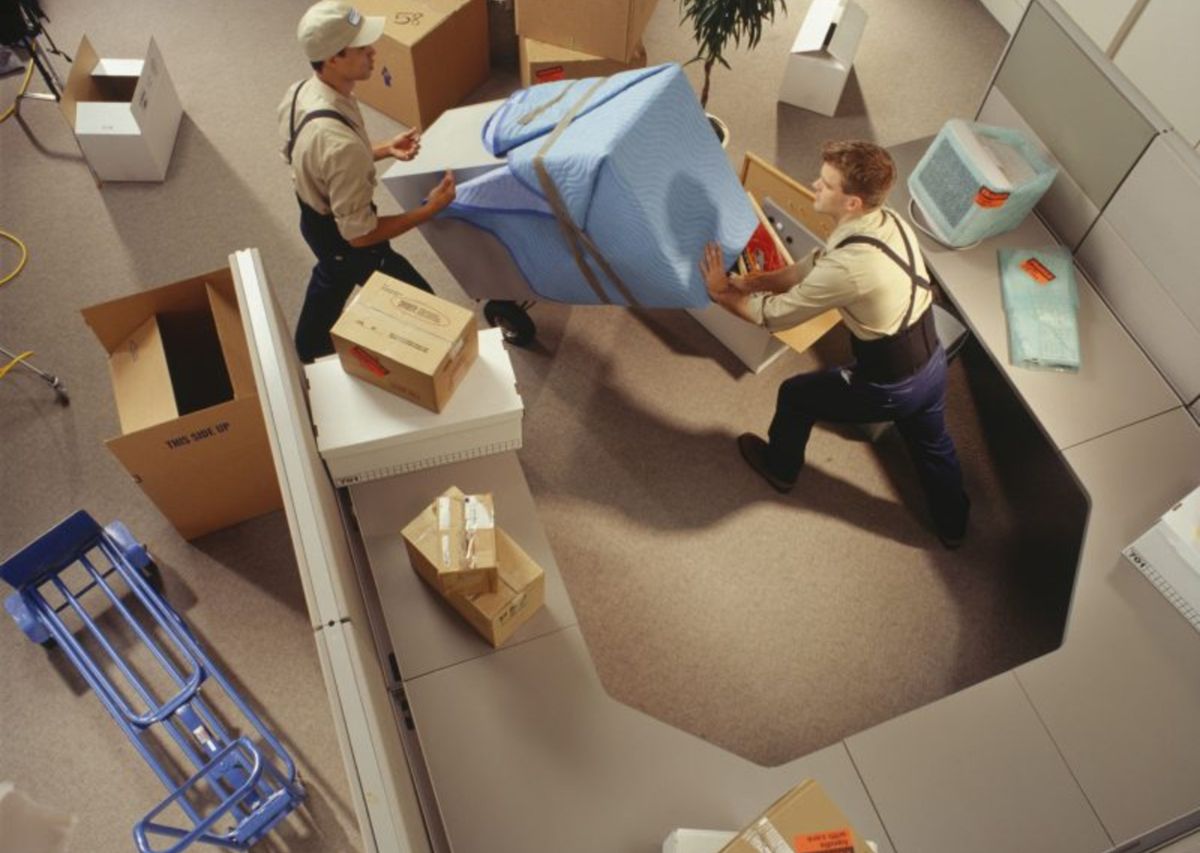
If you are moving a 480 pound piece of furniture or heavy equipment, the strategy for how to get from NJ to NYC must change. You cannot take oversized items on a crowded commuter train or a standard city bus. These situations require a dedicated vehicle and a team capable of performing the heavy lifting and loading required for a safe transit.
Professional assistance becomes necessary when the safety of the items and the people involved is a priority. Navigating the narrow streets of NYC with a large load is a skill that comes with experience. Ensuring that your heavy items are professionally loaded into a truck will prevent damage to the property and the goods themselves as they cross the state line.
Safety Tips for Interstate Travel
Safety should always be a priority when you are learning how to get from NJ to NYC. This includes being aware of your surroundings in busy transit hubs and ensuring your vehicle is in good working order if you choose to drive. Keeping your phone charged and having a backup plan for transportation can save you from being stranded during an unexpected service outage.
If you are walking late at night from a station, stick to well-lit paths and areas with high foot traffic. Public transit in the region is generally very safe, but staying alert is always a good practice in any large metropolitan area. By staying informed and prepared, you can enjoy all the benefits of the city while living in the comfort of New Jersey.
Secure Expert Heavy Lifting for Your New York City Bound Move
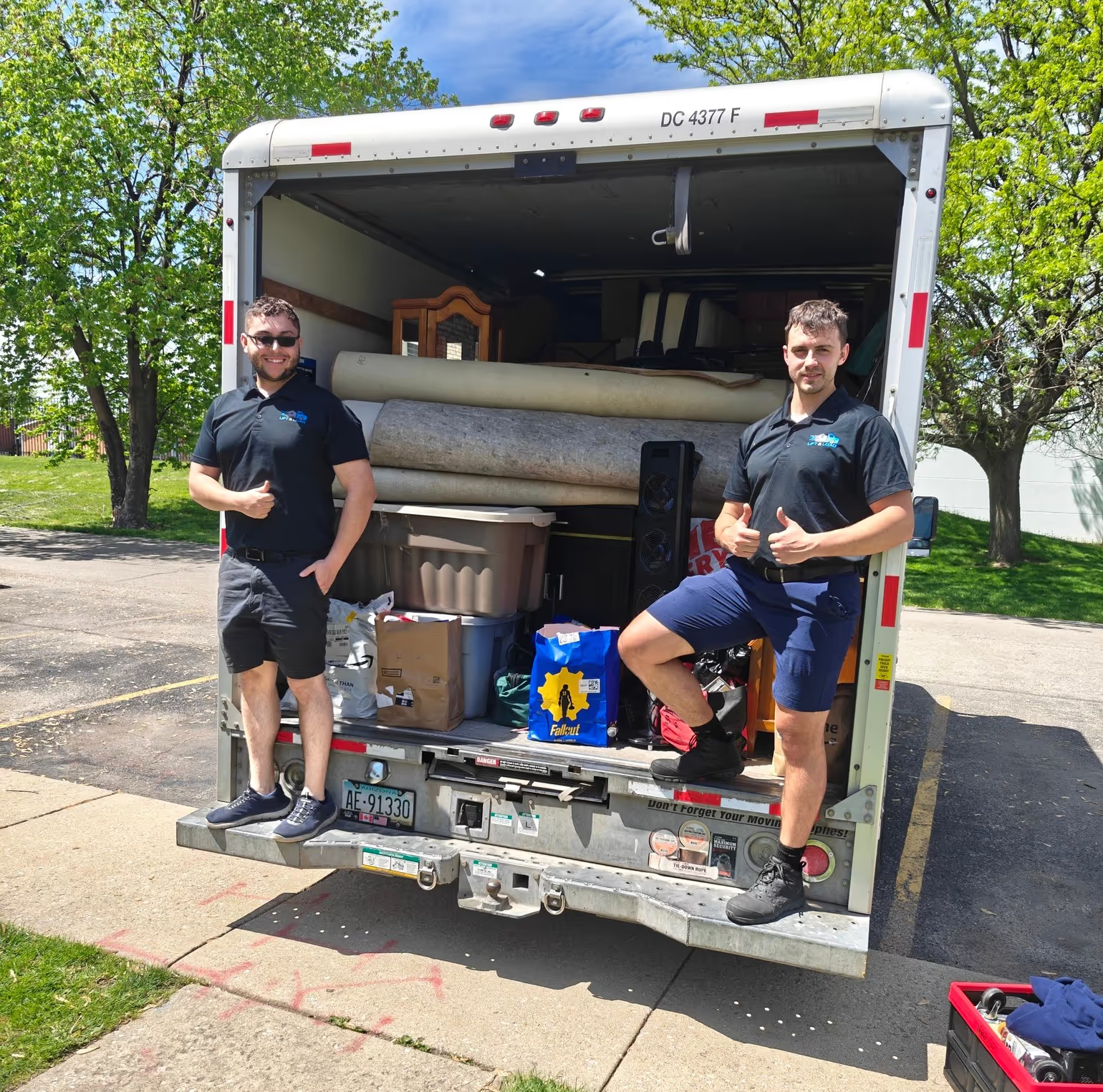
Lift and Load brings years of dedicated experience to every heavy lifting and loading project we undertake for our clients. Our team specializes in moving oversized items, professional truck loading, and managing the logistics of complex residential relocations. We differentiate ourselves with our precision and care during every single interstate job. Allow our crew to handle the physical demands while your transit remains simple.
Contact: piotr@liftandloadmoving.com | 224-404-0069






FAQs
The fastest method usually depends on your starting point, but New Jersey Transit trains into Penn Station or the PATH train are generally the most efficient options during peak hours. These rail services bypass the heavy vehicular traffic found at the Hudson River tunnels and provide a direct route.
Most NJ Transit buses are not equipped to handle large pieces of furniture or oversized boxes due to space limitations and safety regulations for passengers. If you need to move heavy items, it is best to hire a professional loading service that uses dedicated vehicles designed for bulky transport.
Toll prices vary based on the specific crossing and the time of day you choose to travel. The Port Authority manages the bridges and tunnels and uses a peak and off-peak pricing structure for E-ZPass users. It is important to check the latest rates as they are subject to frequent annual adjustments.
Ferries generally operate in various weather conditions, but service may be suspended during extreme events like high winds or heavy fog. Most ferry operators provide real-time updates via their websites or mobile apps so you can check for service interruptions before you arrive at the terminal dock.
Ferries generally operate in various weather conditions, but service may be suspended during extreme events like high winds or heavy fog. Most ferry operators provide real-time updates via their websites or mobile apps so you can check for service interruptions before you arrive at the terminal dock.
Still have questions?
How to move with us?
Hit the “Get a Quote” button and tell us what you need.
Choose the service, date, and time that work best for you.
Our friendly team shows up on time and gets everything done safely.
Sit back while we take care of the rest.
.avif)