
How to Unload a Moving Truck Safely and Efficiently
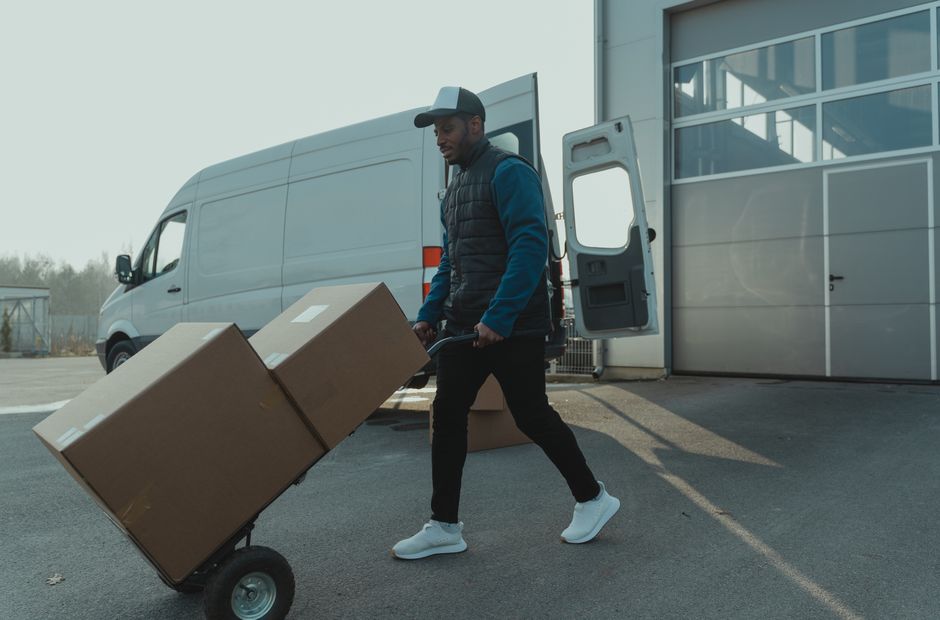
Knowing how to unload a moving truck the right way is just as important as loading it in the first place. After a long drive to your new home, it can be tempting to simply carry everything inside as fast as possible — but rushing through the unloading process is one of the most common causes of back injuries, damaged furniture, and scratched floors on moving day. A methodical approach saves time, protects your belongings, and makes the unpacking process far more organized.
Need experienced hands to unload your rental truck quickly and safely? Call 224-404-0069 or get a free labor-only moving quote from Lift & Load today.
Why Unloading Strategy Matters as Much as Loading
Most moving guides focus heavily on how to pack and load a truck, but the unloading phase deserves equal attention. The decisions you make when pulling items off the truck directly affect how smoothly your first days in a new home go. Carrying furniture into the wrong rooms — or stacking boxes in hallways because there was no plan — creates a domino effect of inefficiency that can drag out settling-in for days or even weeks.
Beyond organization, safety is a genuine concern during unloading. Fatigued movers carrying heavy items down a truck ramp at awkward angles are at a significantly higher risk of injury than they would be at the start of a fresh loading session. Slippery ramps, uneven driveways, and furniture too wide for doorways all create hazards that a little advance preparation can address.
Before You Open the Truck Doors: Preparation Steps
Taking 15 to 20 minutes to prepare your new home before a single box comes off the truck pays dividends throughout the entire unloading process. Work through this checklist first:
- Clear a path from the truck to the front door: Remove any obstacles on the walkway, porch, or driveway. If you are parking on a slope, chock the truck's wheels as an added safety precaution.
- Lay down floor protection: Place moving blankets, cardboard sheets, or adhesive floor film over hardwood floors, tile entryways, and carpet in high-traffic areas. Furniture feet and dolly wheels can cause serious surface damage when dragged or rolled across unprotected floors.
- Prop open all doors: Interior and exterior doors should be propped open to create a clear, hands-free path through the home. Doorstops, wedges, or even heavy boxes work well for this purpose.
- Pre-label rooms if helpers are involved: If you have a crew helping you unload, place a simple paper sign on each room door indicating the room name. This allows helpers to place boxes directly in the correct room without asking questions at every trip.
- Have a designated staging area: Identify a spot — often the garage, a large living room, or a covered porch — where items can be staged temporarily if their final placement has not been decided yet.
The Right Order for Unloading a Moving Truck
Start With Large Furniture and Appliances
The first items off the truck should be your largest, heaviest pieces — the same furniture that was loaded against the cab wall and therefore ends up near the rear of the truck during unloading. Moving large pieces first accomplishes two important goals: it clears the most awkward items while your energy levels are highest, and it allows you to place furniture in its intended position before smaller boxes crowd the rooms.
Beds, dressers, sofas, dining tables, and large appliances should all be walked directly to their designated rooms and set into position. This is especially important for items like bed frames and refrigerators, which are difficult to maneuver around stacked boxes once a room fills up. Use furniture dollies for anything heavy — sliding a loaded dresser across a freshly mopped floor is one of the fastest ways to cause both a floor scratch and a back injury.
Bring in Boxes Room by Room
Once the large furniture pieces are in place, shift to unloading boxes. The most efficient method is to unload boxes in room-specific batches. Have your helpers call out the room label on each box as it comes off the truck and direct it immediately to the correct location. Avoid creating a large pile of mixed boxes in the living room or entryway — this is the single most common cause of post-move chaos that stretches unpacking over multiple weeks.
Heavier boxes — those labeled with items like books, kitchenware, or tools — should still be carried with proper lifting form even at this stage of fatigue. Bend at the knees, keep the box close to your body, and avoid twisting at the waist when setting boxes down. If a box is genuinely too heavy for one person to carry safely, use a hand truck or ask for a second set of hands.
Handle Fragile Items Last and With Extra Care
Boxes and items marked as fragile — lamps, artwork, mirrors, and glassware — should be carried off the truck last and handled individually. At this point in the unload, the truck floor is clearer and these items can be given proper attention without the pressure of large furniture waiting behind them. Walk fragile items directly to their rooms and set them upright in a clear area rather than stacking them in a hallway.
Protecting Yourself and Your Crew During Unloading
Moving-related injuries spike during the unloading phase, largely because fatigue has accumulated over a full day of physical activity. Keep these safety principles in mind throughout the process:
- Use the ramp, not the jump: Always use the truck's loading ramp when carrying anything. Jumping off the truck bed with a box in your arms, even a light one, places sudden compressive force on your spine and knees.
- Two-person carries for anything over 50 pounds: Sofas, mattresses, heavy dressers, and appliances should always be a two-person job. Using furniture straps designed for two-person carries gives both movers better control and distributes the weight more evenly.
- Take regular breaks and stay hydrated: Moving in warm weather accelerates dehydration. Schedule short breaks every 45 minutes to an hour, particularly if you are working in direct sun.
- Wear closed-toe footwear: Sandals and bare feet are genuinely dangerous around moving equipment and heavy furniture. Closed-toe shoes with good traction are essential on a potentially wet or gritty ramp surface.
- Communicate clearly around blind corners: When navigating a wide piece of furniture around a corner or through a narrow doorway, the person walking backward should direct the movement. Establish a clear verbal system — "left," "right," "stop" — before carrying anything through a tight space.
Dealing With Common Unloading Challenges
Doorways Too Narrow for Large Furniture
Encountering a doorway that a piece of furniture cannot pass through is one of the most frustrating obstacles during unloading. Before forcing a piece, try removing the door from its hinges — this adds one to three inches of clearance and often resolves the problem immediately. For sofas and L-shaped sectionals, tilting the piece diagonally while walking it through is a technique that experienced movers use routinely. If a piece truly cannot make it through any entry point, consider whether a window could serve as a temporary access point, or whether the item needs to be partially disassembled.
Stairs and Elevators
Moving furniture up or down stairs requires deliberate communication and a slower pace than flat-ground carries. The person on the lower end of the carry bears more of the weight and controls the descent, so that role should go to your strongest helper. Use appliance straps or stair-climbing dollies for refrigerators and washing machines whenever possible. If you are working in a building with an elevator, reserve it in advance — most buildings require a reservation and may require floor protection inside the elevator cab.
Assembly Before or After Unloading?
Bed frames and large shelving units that were disassembled for the move should generally be reassembled in their final room positions before unpacking begins around them. Trying to carry a fully assembled king bed frame up a stairwell is a common and avoidable mistake. Keep the hardware bags you taped to each piece during disassembly accessible so that reassembly is not delayed by a search for screws and bolts.
When Professional Labor Makes a Real Difference
Unloading a full household truck after a long driving day is physically demanding work, and it is one of the situations where hiring even a few hours of professional moving labor pays off significantly. Labor-only moving services allow you to keep full control of your rental truck and schedule while trained movers handle the heavy lifting, proper equipment use, and room placement decisions that protect both your belongings and your new home's floors and walls.
At Lift & Load, our labor-only crews arrive ready to unload efficiently and carefully, using proper technique and equipment at every step. Whether you need a full unloading crew or just two experienced movers for the heaviest items, we offer flexible options to match your situation. Explore our full range of professional moving labor services to find the right level of support for your move-in day.
Arriving at your new home should feel like the beginning of something exciting — not the most exhausting part of your move. With the right unloading strategy and the right team, it can be exactly that.





FAQs
Start by unloading the largest and heaviest items first — appliances, bed frames, large dressers, and sofas. These pieces should be placed directly in their intended rooms while the path is clear and your energy is at its peak. Then move to boxes, unloading them room by room to avoid creating a mixed pile in common areas. Handle fragile items like lamps, mirrors, and artwork last, giving each piece individual attention.
Before unloading begins, lay moving blankets, cardboard sheets, or adhesive floor film over hardwood floors, tile entryways, and carpeted high-traffic areas. Furniture dollies and hand trucks should be used for heavy pieces rather than dragging them across surfaces. Even soft furniture feet can scratch hardwood floors when furniture is pushed sideways during positioning.
Unloading small boxes and light items alone is manageable, but anything over 50 pounds — including appliances, mattresses, sofas, and heavy furniture — should be a two-person job at minimum. Solo carrying of heavy items significantly increases the risk of back injury, dropped items, and accidents on the truck ramp. If you do not have help available, hiring a labor-only moving crew for even two to three hours is a practical and cost-effective option.
The most useful equipment for unloading includes a furniture dolly for heavy boxes and appliances, a two-wheel hand truck for tall or awkwardly shaped items, furniture straps for two-person carries on stairs, and moving blankets to protect surfaces and furniture. Most rental truck companies include at least one dolly with the truck rental, but it is worth confirming in advance and renting additional equipment if needed.
The most useful equipment for unloading includes a furniture dolly for heavy boxes and appliances, a two-wheel hand truck for tall or awkwardly shaped items, furniture straps for two-person carries on stairs, and moving blankets to protect surfaces and furniture. Most rental truck companies include at least one dolly with the truck rental, but it is worth confirming in advance and renting additional equipment if needed.
Still have questions?
How to move with us?
Hit the “Get a Quote” button and tell us what you need.
Choose the service, date, and time that work best for you.
Our friendly team shows up on time and gets everything done safely.
Sit back while we take care of the rest.
.avif)