How to Load a Moving Truck Like a Pro: A Step-by-Step Guide
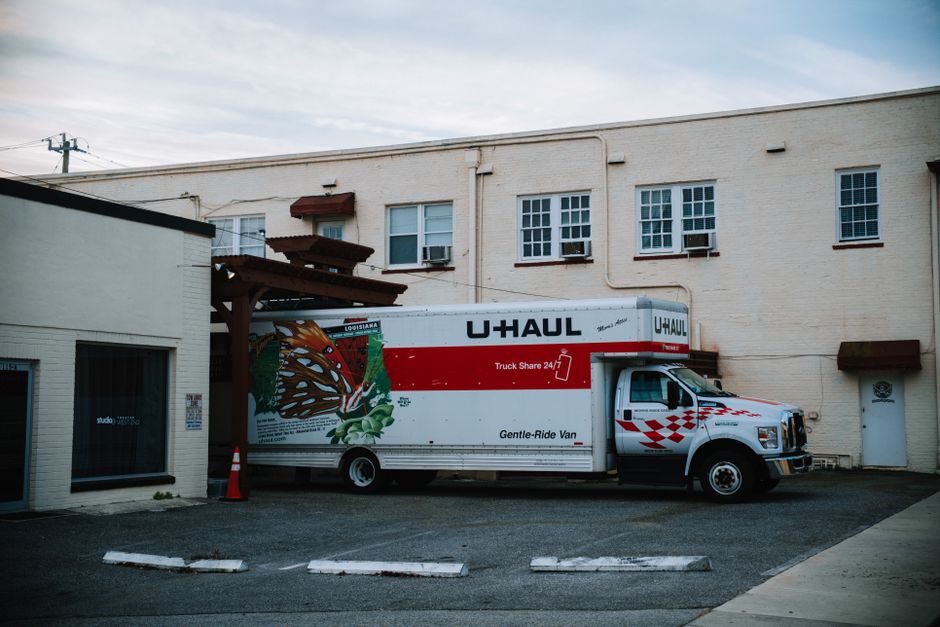
Knowing how to load a moving truck correctly can be the difference between a smooth moving day and a chaotic, injury-prone ordeal. Whether you've rented a 10-foot cargo van or a 26-foot box truck, the way you pack that vehicle directly affects how safely your belongings travel, how efficiently your crew works, and how straightforward the unloading process will be at the other end.
Need a professional crew to handle the heavy lifting? Call 224-404-0069 or get a free labor-only moving quote from Lift & Load today.
Why Loading Strategy Makes or Breaks Moving Day
Most people underestimate how much thought goes into properly loading a rental truck. Without a clear plan, movers often end up with a dangerously top-heavy load, crushed boxes, furniture that shifts during transit, or a truck that simply won't fit everything — forcing multiple trips or last-minute panic. A well-organized load, on the other hand, protects your items, reduces the risk of injury, and makes the entire day run more smoothly from start to finish.
Beyond logistics, loading order matters enormously for the safety of everyone involved. Heavier items lifted at the beginning of the day, when energy levels are highest, reduce the chance of fatigue-related injuries. Distributing weight evenly across the truck floor prevents the vehicle from handling poorly on the road. These aren't just best practices — they're the kind of details that separate a professional move from a stressful one.
What to Have Ready Before You Load a Single Box
A strong loading process starts before anything is carried out the front door. Taking time to prepare your equipment and your home will save you significant frustration once the heavy lifting begins.
Essential Equipment to Gather
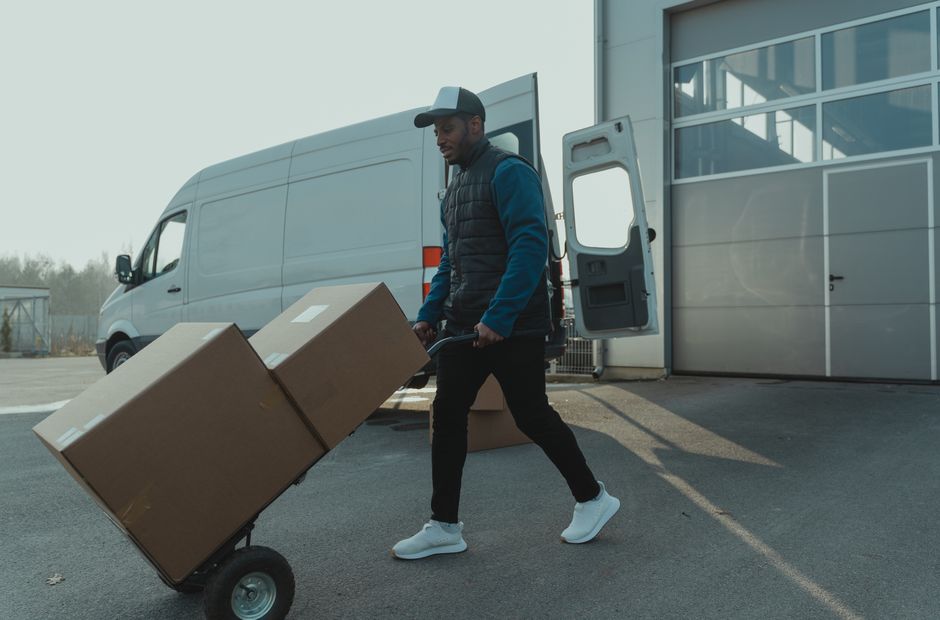
- Moving dollies: Both an upright hand truck and a flat four-wheel dolly are invaluable for moving boxes and large furniture. Trying to carry everything by hand is slower and far more physically demanding.
- Moving blankets and furniture pads: These protect wood surfaces, glass, and painted finishes from scratches and dents during transit. Most truck rental companies offer them for a small fee.
- Furniture straps and tie-down ratchet straps: These anchor large items to the truck's interior anchor rings, preventing load shifting on the road.
- Stretch wrap or plastic wrap: Ideal for bundling drawers shut, protecting upholstered furniture, and keeping sets of items together.
- Floor protection for your home: Lay down cardboard or moving blankets over hardwood floors and carpeted areas to prevent damage from dolly wheels and heavy foot traffic.
Staging Your Load Zone
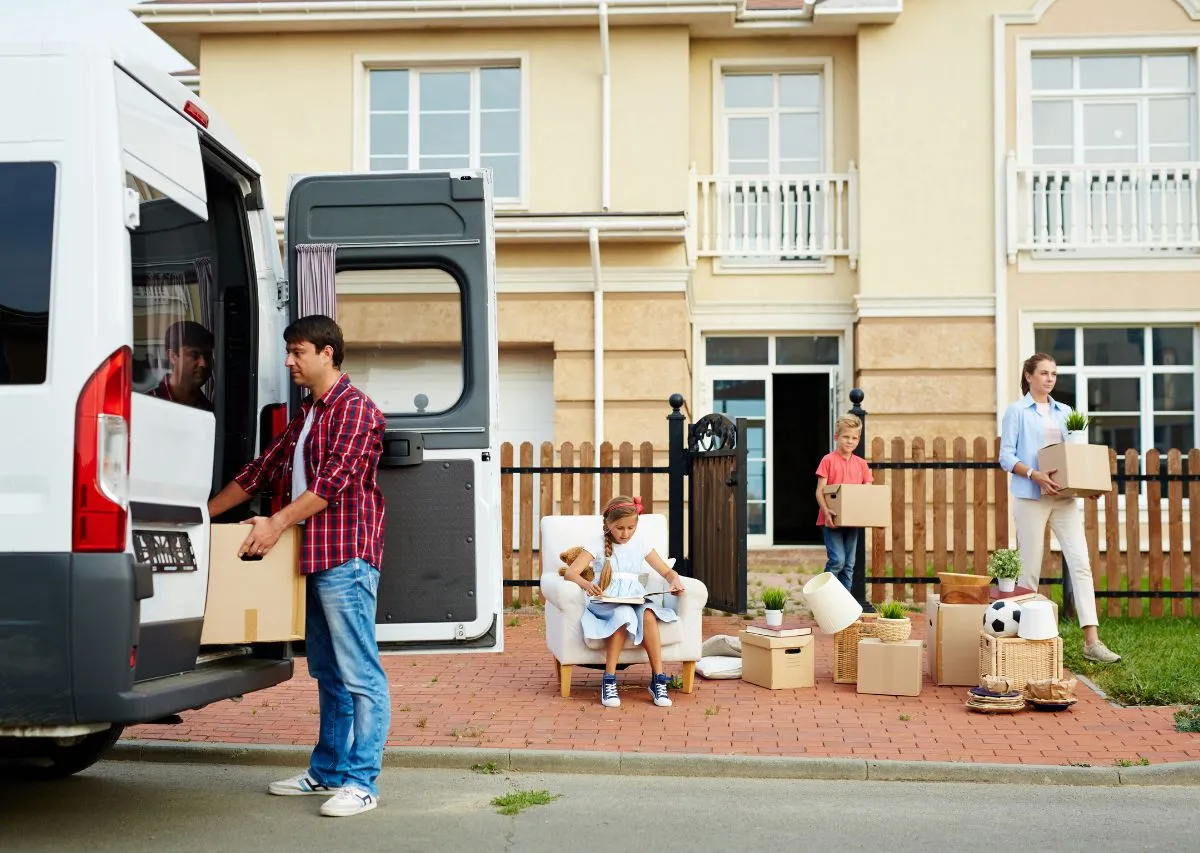
Before the truck is loaded, move all boxes and furniture to a central staging area — typically the living room, garage, or front hallway. This creates a clear assembly line from your home to the truck and eliminates wasted trips hunting down items from different rooms. Group boxes by destination room at the new home so that similar items are loaded and unloaded together.
The Right Order for Loading a Moving Truck
Loading a moving truck is not simply a matter of stacking items in any available space. There is a proven sequence that professional movers follow to maximize safety, stability, and efficiency.
Step 1: Heaviest Items Go Against the Cab Wall
The front of the truck — the wall closest to the cab — should hold your heaviest, most structurally solid furniture: large dressers, washing machines, refrigerators, bookshelves, and other major appliances. Placing the heaviest items at the front keeps the truck's center of gravity stable and prevents the load from shifting forward under hard braking.
Stand large furniture pieces upright whenever possible. Dressers and bookshelves loaded vertically take up less floor space and are less likely to tip. Wrap each piece thoroughly in moving blankets and secure them to the truck's anchor rings using ratchet straps before adding anything else to the load.
Step 2: Fill the Middle with Medium-Weight Items
Mattresses, box springs, sofas, and mid-weight furniture belong in the middle section of the truck. Stand mattresses on their sides against the truck walls — laying them flat wastes an enormous amount of vertical space and invites boxes to be stacked on top, which can cause permanent damage to the mattress. Couches can often be stood on end depending on their shape, freeing up floor space for additional items.
This is also where stacks of medium-weight boxes begin to fill in the gaps. Load boxes tightly against each other and against furniture surfaces to minimize movement. Loose boxes will shift and tumble in transit, damaging both the boxes and the items inside them.
Step 3: Stack Boxes Heaviest-to-Lightest, Floor-to-Ceiling
When building box stacks, always place the heaviest boxes on the bottom and lighter boxes on top. Heavy boxes on top of lighter ones will crush their contents — this is one of the most common causes of breakage during a move. As a general rule:
- Bottom tier: Books, tools, small appliances, and other dense items in small or medium boxes.
- Middle tier: Kitchen goods, clothing, toys, and medium-density household items.
- Top tier: Bedding, pillows, lampshades, light clothing boxes, and other featherweight items.
Build each stack as close to the ceiling as safely possible. Filling vertical space reduces the number of trips needed and prevents stacks from tipping sideways during transport.
Step 4: Fill Every Gap With Soft Items
Empty space inside a loaded truck is wasted space — and it also allows items to shift and collide in transit. Use pillows, folded blankets, stuffed animals, and bundled linens to fill gaps between furniture pieces and box stacks. These soft fillers act as natural cushioning and keep the overall load more rigid.
Step 5: Last On, First Off — Load the Essentials Box at the Door
The very last items loaded into the truck should be the items you'll need first at your new home: a box of cleaning supplies, basic toiletries, phone chargers, important documents, medications, a change of clothes, and anything else you'll want immediate access to upon arrival. Position this box at the rear of the truck, right at the door, so it's the first thing off the truck when you arrive.
Weight Distribution and Road Safety
Proper weight distribution in a moving truck isn't just about protecting your belongings — it directly affects how the vehicle handles on the road. A poorly balanced load can cause the truck to sway, brake unevenly, or feel difficult to steer, particularly on highways or in windy conditions.
Aim to distribute weight as evenly as possible from left to right across the truck floor. Piling everything against one wall creates lateral imbalance that becomes noticeable — and dangerous — while driving. Heavier items belong low to the ground, keeping the center of gravity as far down as possible and reducing the chance of rollover in sharp turns.
Once the truck is fully loaded, give everything a final check with the ratchet straps before closing the doors. Walk through the load and push gently on tall stacks and large furniture pieces to confirm that nothing shifts easily. A load that seems stable when stationary should be secured well enough to stay put through sudden stops and highway merges.
Common Loading Mistakes to Avoid
Even experienced movers fall into habits that make the process harder and riskier than it needs to be. Watch out for these frequent errors:
- Overpacking boxes: Heavy boxes are harder to carry safely and more likely to break apart. A box that you cannot comfortably lift with proper form is too heavy — redistribute the contents.
- Skipping the moving blankets: Unprotected wood furniture will be scratched by the truck floor or by adjacent items shifting in transit. Always wrap before loading.
- Loading fragile items without padding: Dishes, glassware, mirrors, and artwork need dedicated padding and, ideally, their own clearly labeled boxes. Never stack heavy items on top of fragile boxes.
- Not using tie-down straps: Even a short drive can jostle an unsecured load significantly. Use the truck's anchor rings and ratchet straps on every large item.
- Forgetting to check the truck's weight rating: Rental trucks have gross vehicle weight ratings. Overloading a truck is not only a safety hazard — it can also create liability issues. When in doubt, check the rental company's guidelines or make a second trip.
When to Call in Professional Loading Help
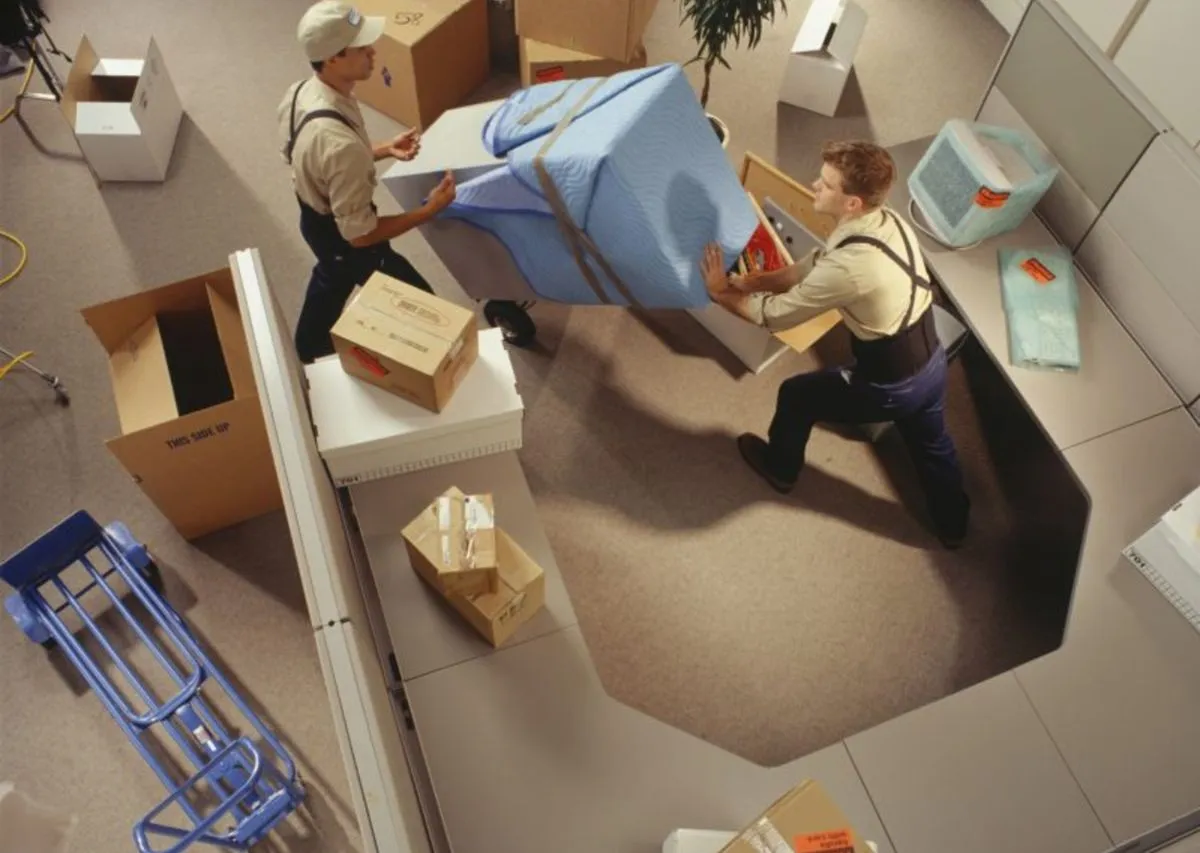
Loading a moving truck correctly is physically demanding work that requires planning, technique, and teamwork. For many people, the smarter move is to hire experienced labor to handle the loading — allowing you to focus on coordinating the move and protecting your home — rather than risking injury or damage doing it alone.
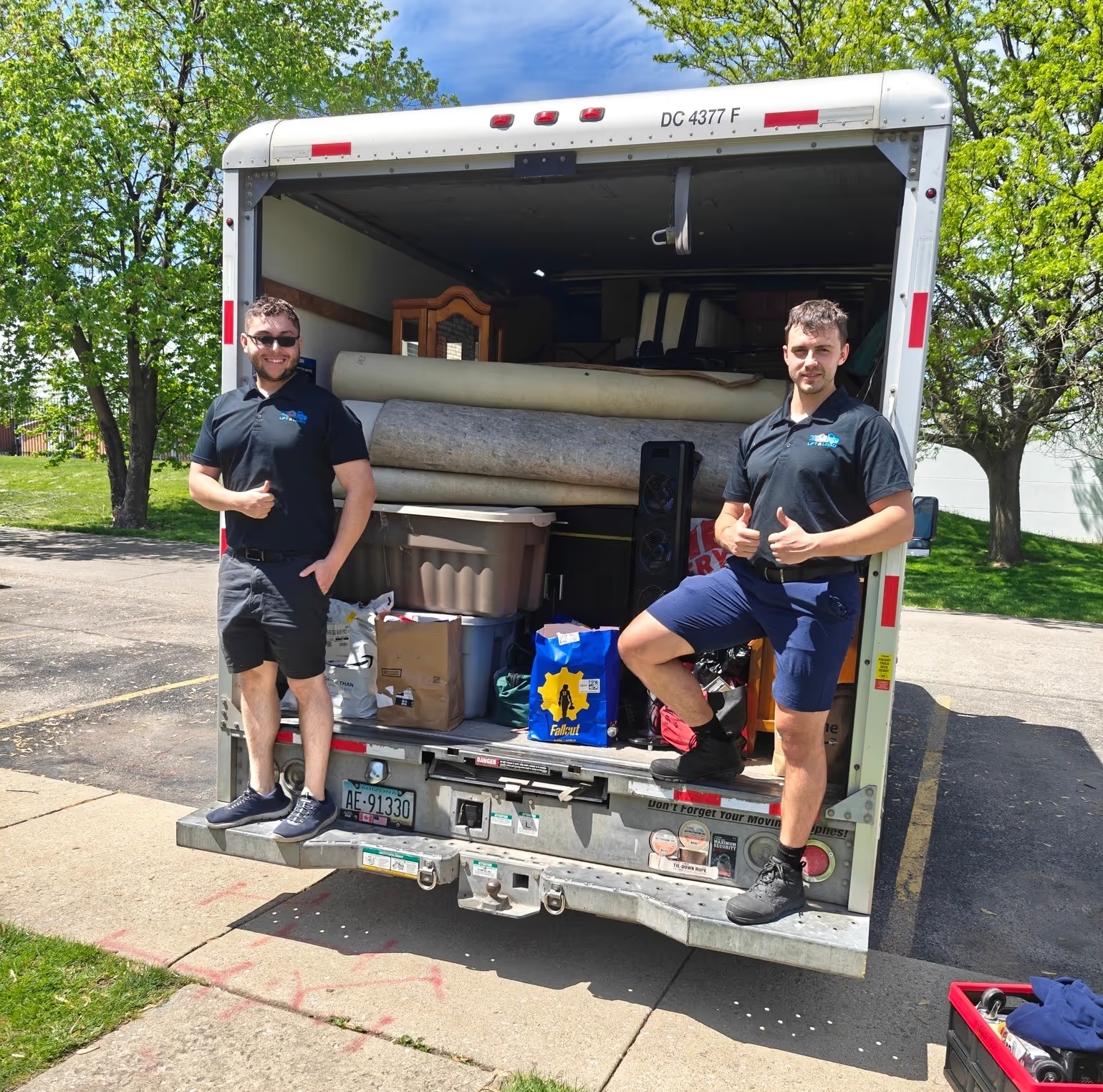
Lift & Load provides labor-only moving services, meaning we supply the trained muscle and know-how while you retain control of the rental truck. Whether you need help loading, unloading, or both, our team can make your moving day significantly easier and safer. Learn more about our moving services and find the right option for your move.




FAQs
The heaviest, largest items should go in first, positioned against the wall closest to the cab. This includes large furniture like dressers, bookshelves, refrigerators, and washing machines. Loading these items first keeps the truck's center of gravity stable and ensures your crew is handling the most demanding work while energy levels are at their peak.
Wrap all wood furniture, upholstered pieces, and appliances in moving blankets or furniture pads before loading them. Secure the blankets with stretch wrap or packing tape so they stay in place during transit. Once loaded, use ratchet straps to prevent furniture from shifting and rubbing against adjacent pieces.
Build box stacks tightly against each other and against furniture surfaces so there is minimal empty space between items. Fill gaps with soft items like pillows, blankets, and bundled linens. Use the truck's built-in anchor rings and tie-down straps to secure larger stacks and prevent lateral movement on the road.
Absolutely. Labor-only moving services like Lift & Load provide experienced movers who help you load (and unload) your rental truck without requiring you to hire a full-service moving company or give up control of your truck. This is a cost-effective option that gives you professional loading expertise while keeping overall moving costs lower.
Absolutely. Labor-only moving services like Lift & Load provide experienced movers who help you load (and unload) your rental truck without requiring you to hire a full-service moving company or give up control of your truck. This is a cost-effective option that gives you professional loading expertise while keeping overall moving costs lower.
Still have questions?
How to move with us?
Hit the “Get a Quote” button and tell us what you need.
Choose the service, date, and time that work best for you.
Our friendly team shows up on time and gets everything done safely.
Sit back while we take care of the rest.
.avif)